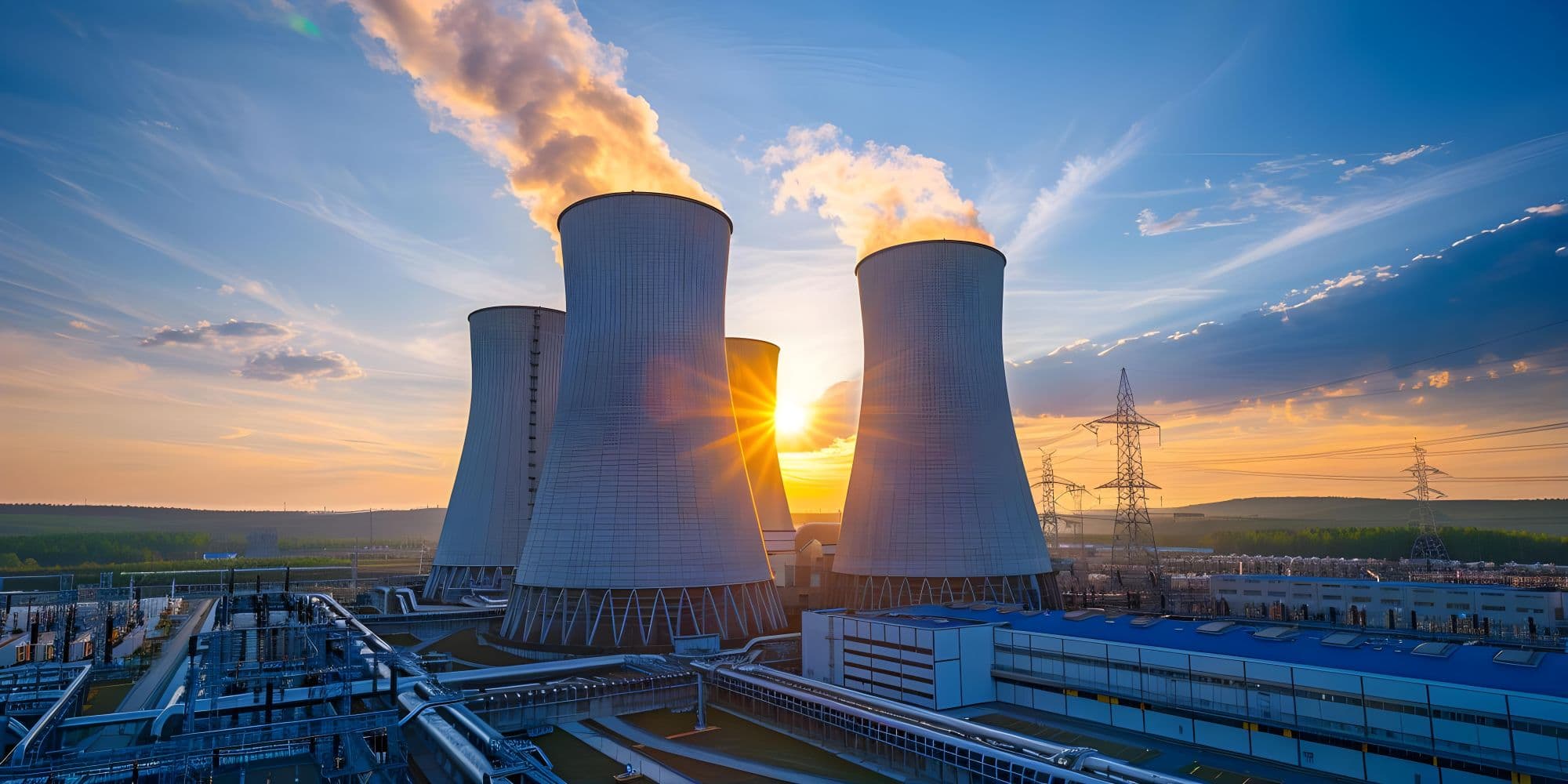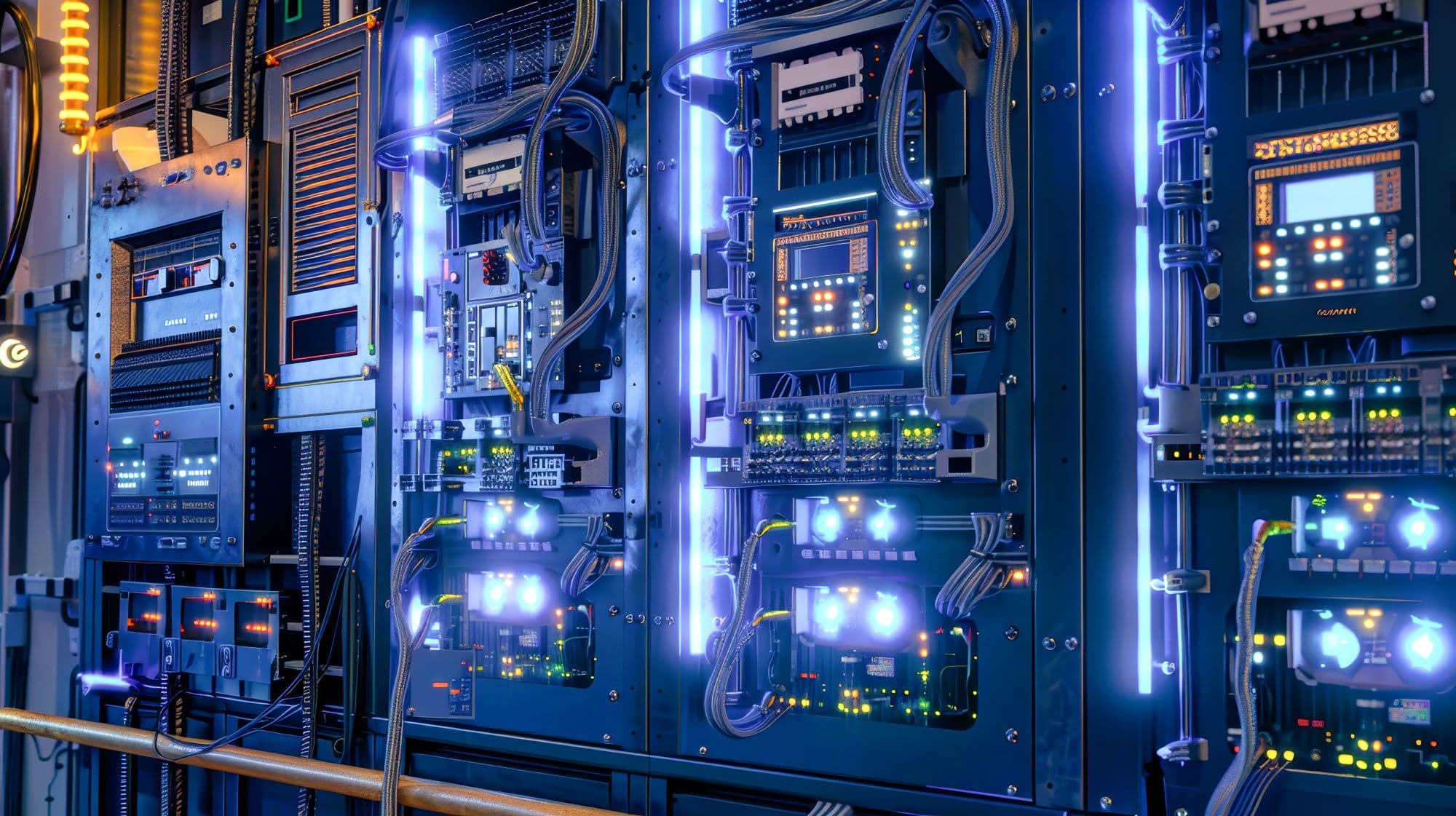
Smart grid technology represents a paradigm shift in how industrial facilities manage and distribute electrical power. By integrating advanced sensors, real-time monitoring, and automated control systems, smart grids enable facilities to optimize energy consumption, reduce costs, and improve reliability.
Key Benefits of Smart Grid Integration
Industrial smart grids offer numerous advantages including predictive maintenance capabilities, demand response optimization, and seamless integration with renewable energy sources. These systems can automatically adjust power distribution based on real-time demand, preventing overloads and reducing energy waste.
Implementation Considerations
When implementing smart grid technology, organizations must consider infrastructure compatibility, cybersecurity requirements, and staff training needs. A phased approach often yields the best results, allowing teams to adapt to new systems gradually while maintaining operational continuity.
Looking Ahead
As IoT devices become more prevalent and AI-driven analytics mature, smart grid systems will become increasingly sophisticated. Forward-thinking organizations are already investing in these technologies to gain competitive advantages in energy management and operational efficiency.